

Common Washer & Dryer Problems
It’s easy to overlook small washer and dryer issues until they become costly. This guide summarizes common faults, quick troubleshooting, and when to call a technician. Fixing problems early saves time, money, and laundry-day frustration. We’ll cover washer faults, dryer troubleshooting, why professional repair services matter, and simple maintenance tips to prevent repeat visits.
Which Washer Problems Do Homeowners Usually Miss?
Small issues often grow into bigger repairs. Common washer problems include:
- Washer Won’t Spin: Often a bad lid switch, worn drive belt, or unbalanced load — try redistributing clothes and checking the belt.
- Water Leaks: Usually from worn door seals, loose hoses, or a failing pump; find the source early to avoid water damage.
- Persistent Odors: Detergent and softener residue or mildew in the drum — regular cleaning and correct detergent amounts clear most smells.
Washer Not Spinning — What to Check First
Confirm the load is balanced and the door/lid closes fully. Look for visible damage to the lid switch and drive belt. If the washer still won’t spin, a technician can safely test electrical components and the motor.
How to Spot and Stop Washing Machine Leaks Early
Inspect door gaskets, hose clamps, and the pump for cracks or drips. Run a short cycle and check underneath, and feel the door seal for tears. Early detection prevents floor damage and costly repairs.
How to Troubleshoot Common Dryer Problems Before They Get Worse
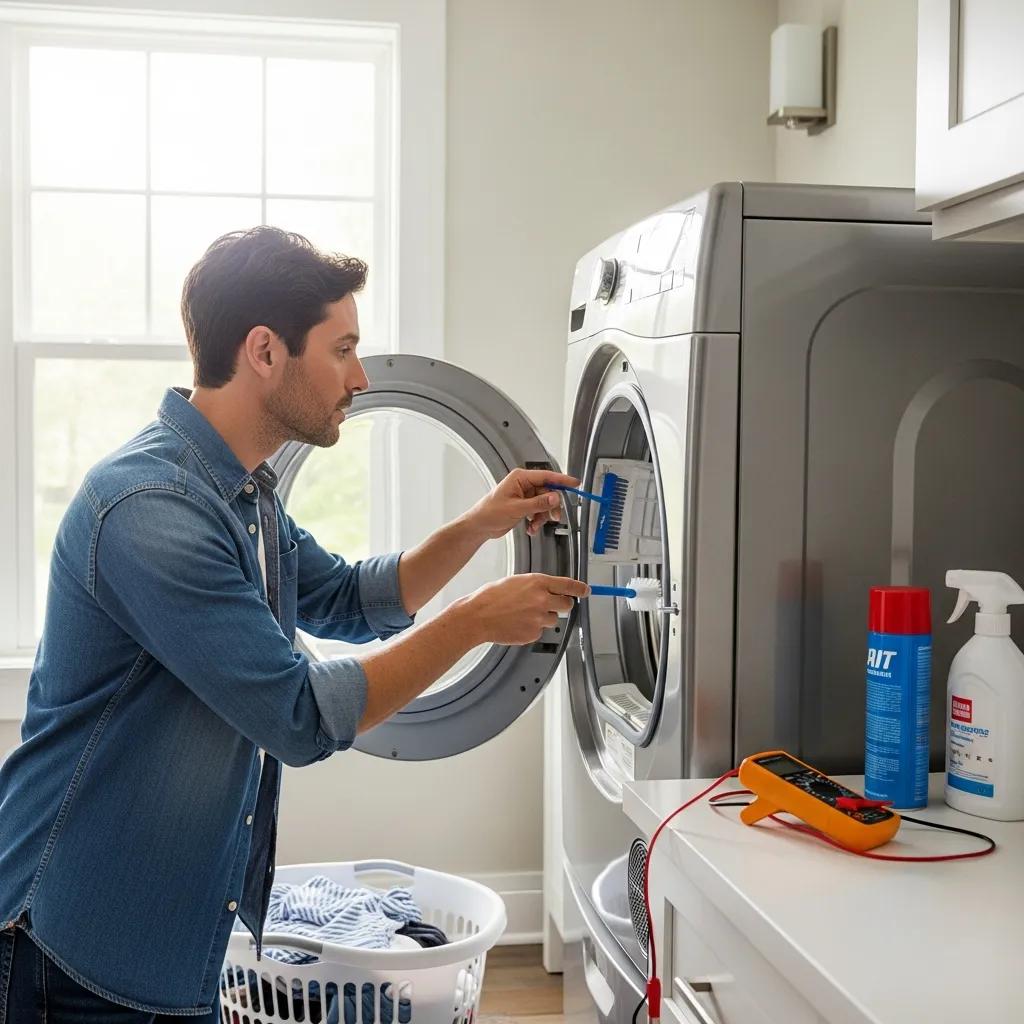
Dryers can slow laundry day or create safety risks. Basic checks often reveal whether you can fix the issue or need a pro.
- Dryer Not Heating: Possible causes include a faulty heating element, blown thermal fuse, or tripped thermostat. Check the lint filter and vent first; element tests are for technicians.
- Loud or Unusual Noises: Squeaks or thuds point to worn rollers, a damaged belt, or idler pulley issues — inspect and replace worn parts.
- Long Dry Times: Restricted airflow from a clogged vent or lint filter is the most common cause — clean vents and filters to improve performance.
Dryer Not Heating — Steps You Can Take
Clean the lint filter and inspect the vent for blockages. If cleaning doesn’t help, the thermal fuse or heating element may be at fault and should be checked by a technician.
When Dryer Problems Mean You Need Professional Repair
Call a professional for grinding noises, failure to start, repeated electrical issues, or if clothes remain damp after a full cycle — these can indicate mechanical or electrical failures and potential safety hazards.
When Should Homeowners in Charlotte and Nearby Areas Call for Professional Laundry Appliance Repair?
Bring in a licensed technician when problems persist after basic troubleshooting, when there are safety concerns, or for complex repairs.
- Problems Persist: Repeated failures usually signal a failing component that needs diagnosis.
- Safety Concerns: Sparks, burning smells, or frequent breaker trips require immediate attention.
- Complex or Major Repairs: Replacing motors, control boards, or gas valves is best left to trained technicians with proper tools.
Why Choose Licensed Technicians for Washer and Dryer Repairs?
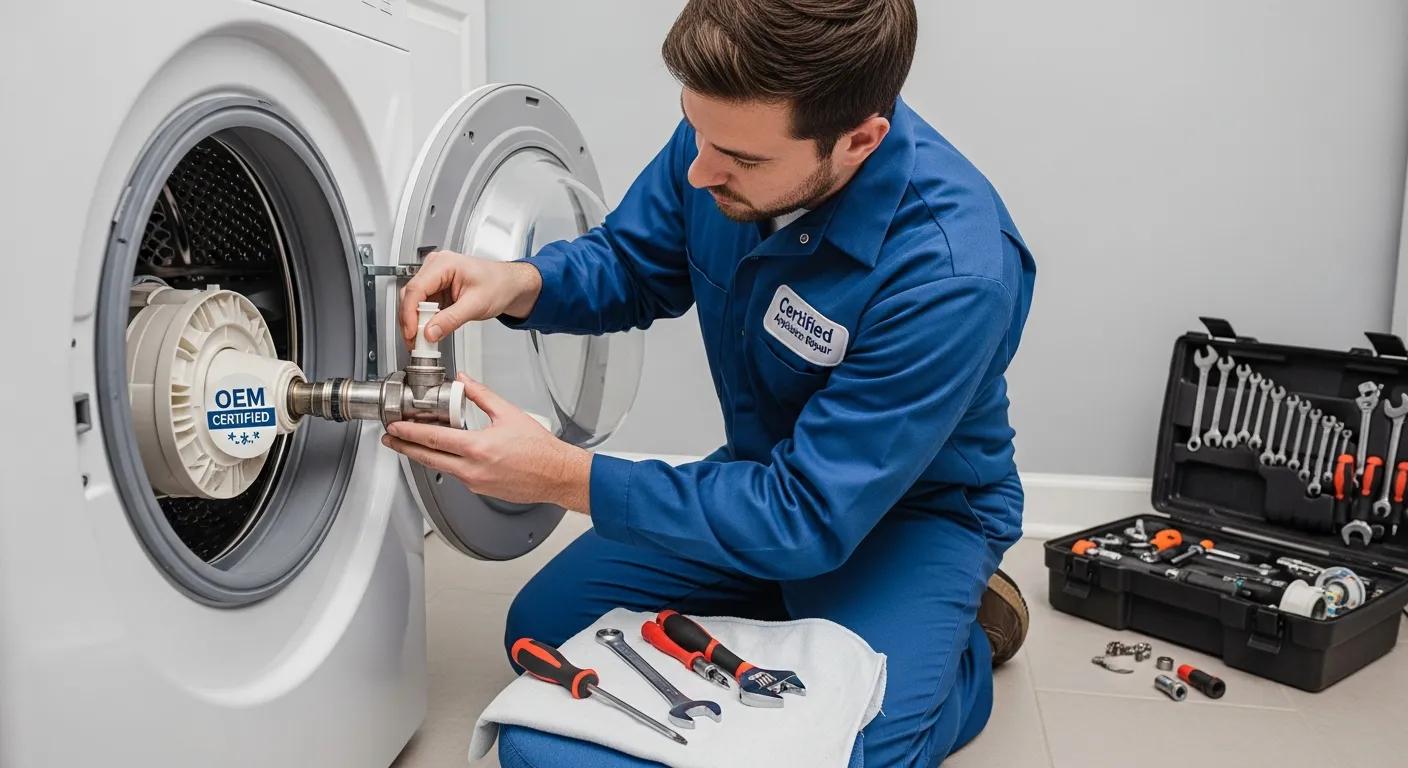
Licensed technicians have training, tools, and experience. They diagnose problems accurately and often provide warranties, reducing the risk of repeat failures and unexpected costs.
How Genuine Parts and Same-Day Service Help Your Appliances Last Longer
Manufacturer-approved parts prevent compatibility issues; prompt service reduces downtime. Quality repairs now can save money over the appliance’s life.
How Regular Maintenance Stops Small Issues from Becoming Big Problems
Routine maintenance prevents many common washer and dryer failures. A few simple habits keep machines efficient and reliable.
- Routine Cleaning: Clean lint filters and wipe drums to prevent buildup and odors.
- Check Hoses and Seals: Inspect hoses and seals for wear to avoid leaks.
- Schedule Pro Maintenance: An annual inspection catches worn parts before they fail.
Easy Maintenance Steps Homeowners Can Do Now
Quick tasks that improve reliability:
- Clean the lint filter after every load to boost efficiency and reduce fire risk.
- Inspect hoses yearly for cracks, bulges, or loose clamps.
- Run a washer cleaning cycle monthly to remove residue and mildew.
Why Dryer Vent Cleaning Matters
Clogged vents reduce airflow, increase drying time, and raise overheating or fire risk. Clean vents at least once a year, more often for heavy use, to keep the dryer efficient and safe.
| Task | How Often | Why It Matters |
|---|---|---|
| Clean lint filter | After every use | Improves drying time and reduces fire risk |
| Inspect hoses | Annually | Prevents leaks and water damage |
| Run washer cleaning cycle | Monthly | Removes buildup and prevents odors |
Routine care keeps washers and dryers running longer and more efficiently. Follow these steps to avoid common problems and get better performance from your appliances.
Frequently Asked Questions
My washer is making strange noises — what should I do?
Check that the load is balanced and the machine is level. If noise continues, inspect bearings, belts, and panels. When unsure, call a technician to diagnose internal parts safely.
How can I stop my dryer from overheating?
Clean the lint filter after every load and keep the vent clear. Avoid overloading the dryer. For extra safety, have the vent professionally cleaned yearly if you use the dryer often.
How do I know if my washing machine needs to be replaced?
Consider replacing if you have frequent breakdowns, persistent leaks, major vibration, poor cleaning, high water or energy use, or if the washer is roughly 10 years old and repair costs rise.
How often should I schedule professional maintenance for my laundry appliances?
We recommend a professional inspection at least once a year to clean internal components, spot worn parts, and make small adjustments that prevent larger failures.
Can I use any detergent in my washer?
Use detergent recommended for your machine type. For high-efficiency (HE) washers, use HE detergent to avoid excess suds and poor rinsing.
My dryer takes a long time to dry — what should I check?
Clean the lint filter, check the vent for blockages, and ensure the exhaust path is clear. If airflow is fine but drying remains slow, have a technician test the heating element or thermostat.
Conclusion
Many washer and dryer issues are small and fixable with quick inspections or routine cleaning. Know when to do a safe DIY check and when to call a licensed technician. Regular maintenance and timely repairs keep appliances running smoothly and save you money. Ready for professional help? Explore our expert services today to keep laundry day trouble-free.

