
Commercial HVAC Repair

In the realm of commercial properties, maintaining a comfortable and efficient environment is paramount. HVAC systems play a crucial role in ensuring optimal indoor air quality and temperature control. This article delves into the essential aspects of HVAC for commercial properties, including repair services, preventive maintenance, installation best practices, and energy efficiency solutions. Readers will gain insights into how to identify common HVAC issues, the benefits of regular maintenance, and the latest technologies that enhance energy efficiency. By understanding these components, property managers can make informed decisions that lead to improved system performance and cost savings.
What Are the Essential Commercial HVAC Repair Services?
Commercial HVAC systems are complex and require specialized repair services to ensure they function efficiently. Essential repair services include troubleshooting, component replacement, and system calibration. Timely repairs are critical, as neglecting issues can lead to increased energy consumption and reduced comfort levels. Understanding the common types of HVAC failures can help property managers act swiftly to mitigate problems.
How to Identify Common HVAC System Failures in Commercial Buildings
Identifying HVAC system failures early can prevent costly repairs and downtime. Common signs of failure include inconsistent temperatures, unusual noises, and increased energy bills. Regular monitoring of system performance can help detect these issues before they escalate. For instance, if a building experiences uneven heating or cooling, it may indicate a malfunctioning thermostat or ductwork issues.
What Emergency HVAC Repair Services Are Available for Commercial Properties?
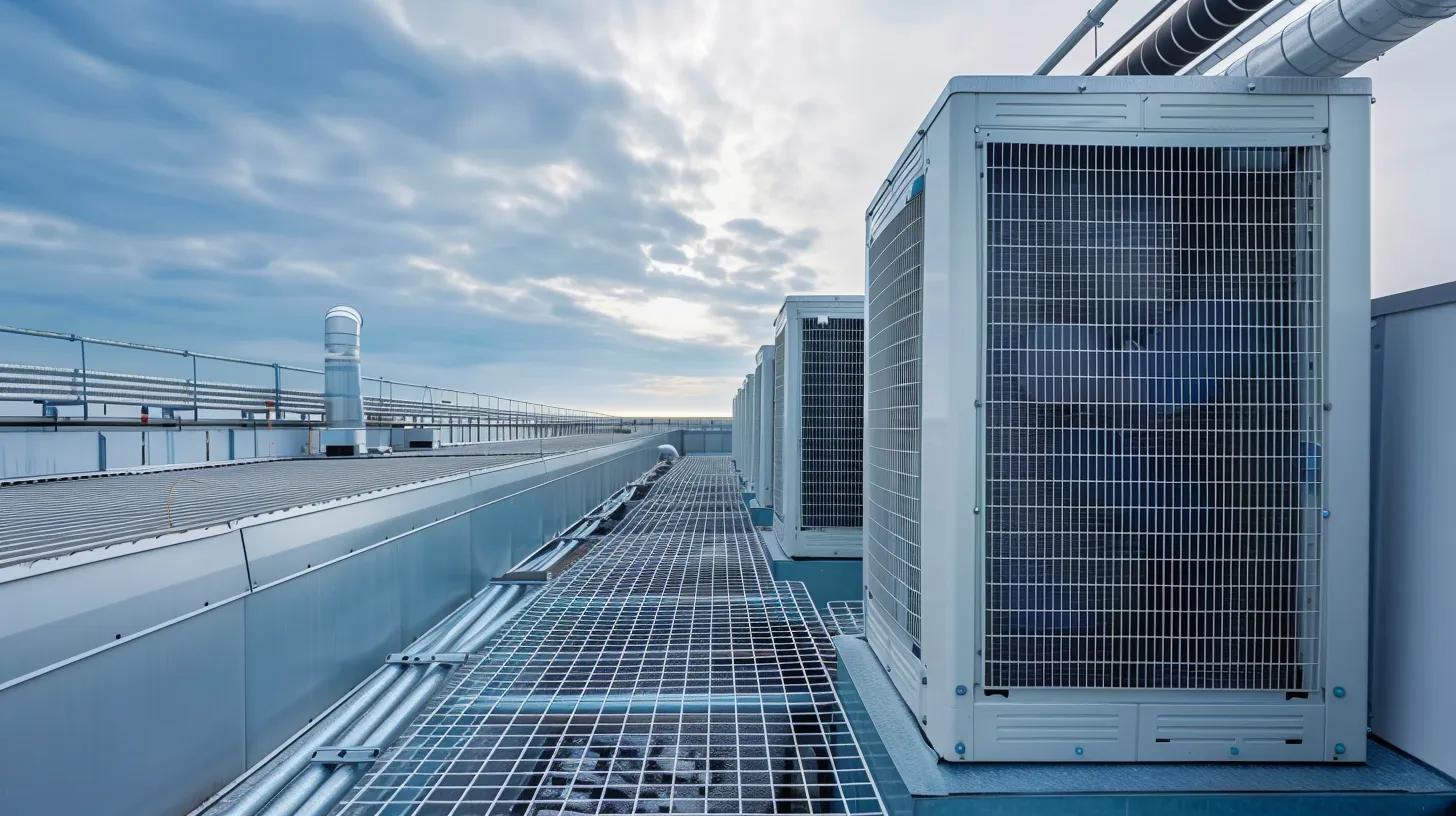
In emergencies, having access to reliable HVAC repair services is crucial. Emergency services typically include 24/7 support for critical failures, such as complete system breakdowns or refrigerant leaks. Quick response times are essential to minimize disruption to business operations. Property managers should establish relationships with local HVAC contractors who offer emergency services to ensure prompt assistance when needed.
How Does Preventive Maintenance Enhance Commercial HVAC System Performance?
Preventive maintenance is vital for extending the lifespan of HVAC systems and ensuring they operate at peak efficiency. Regular maintenance tasks include filter replacements, system inspections, and cleaning of components. These practices not only enhance performance but also lead to significant cost savings over time by reducing the likelihood of major repairs.
What Are the Benefits of Scheduled Commercial HVAC Maintenance Contracts?
Scheduled maintenance contracts provide numerous advantages, including cost predictability and prioritized service. By committing to regular maintenance, property managers can ensure their systems are serviced at optimal intervals, reducing the risk of unexpected breakdowns. Additionally, many HVAC contractors offer discounts for clients who sign maintenance contracts, further enhancing cost-effectiveness.
How Often Should Commercial HVAC Systems Be Serviced for Optimal Efficiency?
The frequency of HVAC servicing depends on several factors, including system type and usage patterns. Generally, commercial HVAC systems should be serviced at least twice a year—once before the heating season and once before the cooling season. However, systems in high-use environments may require more frequent inspections to maintain efficiency.
What Are the Best Practices for HVAC System Installation in Commercial Properties?
Proper installation of HVAC systems is critical to their long-term performance and efficiency. Best practices include selecting the right system type based on building size and usage, ensuring proper ductwork design, and adhering to local building codes. Engaging experienced professionals for installation can prevent future issues and ensure compliance with regulations.
How to Choose the Right HVAC System Type: Rooftop Units, Chillers, and Boilers
Choosing the right HVAC system type is essential for meeting the specific needs of a commercial property. Rooftop units are popular for their space-saving design and ease of maintenance, while chillers are ideal for larger buildings requiring centralized cooling. Boilers, on the other hand, are suitable for properties needing efficient heating solutions. Each system type has its advantages and should be selected based on the building’s requirements.
What Are the Key Considerations for Efficient Commercial HVAC Installation?
Several key considerations can enhance the efficiency of HVAC installations. Proper system sizing is crucial; an oversized system can lead to short cycling, while an undersized system may struggle to maintain comfort levels. Additionally, ensuring adequate insulation and sealing of ductwork can significantly improve system efficiency and reduce energy costs.
How Can Energy Efficient HVAC Solutions Reduce Costs in Commercial Buildings?
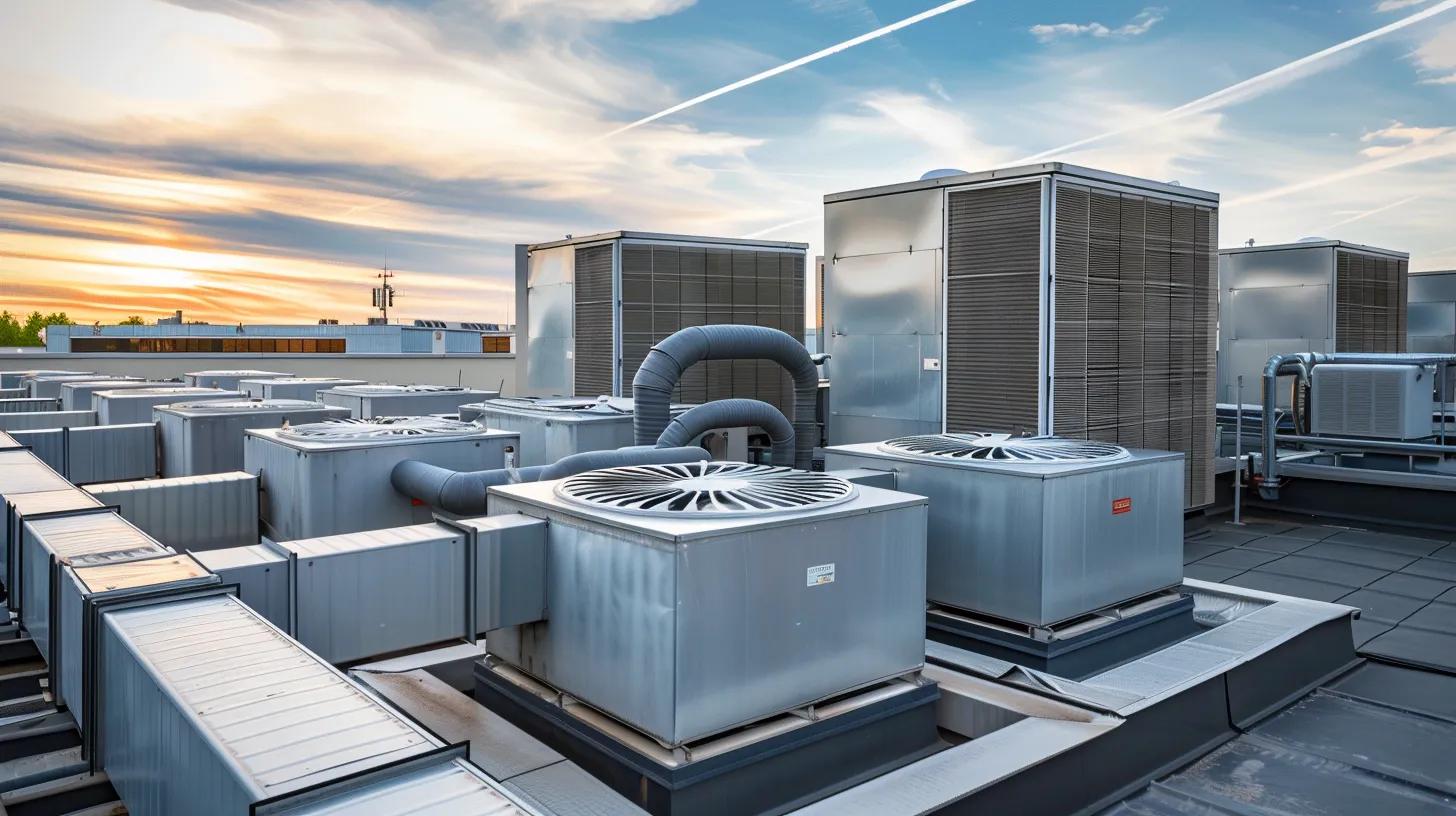
Energy-efficient HVAC solutions are designed to minimize energy consumption while maintaining comfort. Implementing these solutions can lead to substantial cost savings on utility bills. Property managers should consider upgrading to high-efficiency systems and incorporating smart technologies that optimize energy use.
What Smart HVAC Controls and Automation Technologies Improve Energy Efficiency?
Smart HVAC controls and automation technologies play a pivotal role in enhancing energy efficiency. These systems allow for real-time monitoring and adjustments based on occupancy and environmental conditions. For example, programmable thermostats can automatically adjust temperatures during non-business hours, significantly reducing energy waste.
How Do Energy Efficiency Ratings Impact Commercial HVAC System Selection?
Energy efficiency ratings, such as SEER (Seasonal Energy Efficiency Ratio) and EER (Energy Efficiency Ratio), are critical factors in selecting HVAC systems. Higher ratings indicate better energy performance, which can lead to lower operating costs. Property managers should prioritize systems with high efficiency ratings to maximize long-term savings.
How to Choose a Reliable Commercial HVAC Contractor in Charlotte?
Selecting a reliable HVAC contractor is essential for ensuring quality service and installation. Property managers should consider factors such as experience, licensing, and customer reviews when making their choice. A reputable contractor will provide transparent pricing and a comprehensive range of services.
What Credentials and Services Should a Licensed Commercial HVAC Technician Provide?
Licensed commercial HVAC technicians should possess relevant certifications and training to ensure they can handle complex systems. Key credentials include EPA certification for refrigerant handling and NATE certification for technical expertise. Additionally, technicians should offer a range of services, including installation, maintenance, and emergency repairs.
How Do Customer Testimonials and Case Studies Reflect Contractor Quality?
Customer testimonials and case studies are valuable resources for assessing contractor quality. Positive feedback from previous clients can indicate reliability and professionalism. Property managers should seek out contractors with a proven track record of successful projects and satisfied customers to ensure they receive high-quality service.
Conclusion
Maintaining an efficient and reliable commercial HVAC system is essential for the comfort and productivity of any commercial property. By understanding the importance of timely repairs, preventive maintenance, proper installation, and energy-efficient solutions, property managers can significantly enhance system performance and reduce operational costs. Partnering with qualified contractors and leveraging the latest technologies ensures that HVAC systems meet the evolving demands of commercial environments. Investing in these best practices ultimately leads to a more sustainable and cost-effective building management strategy.

